
Gambling in the Philippines
As gambling and online casinos continue to grow, so does the Filipino market. Known as one of the strongest markets in Asia, gambling has deep roots in the Philippines. Gambling has an insane story in the Philippines, read the section below to learn more about its origins.
Gambling History in the Philippines
Gambling has been present in the Philippines for centuries. Stories dating back to 1521 describe sabong betting among Filipinos.
This mainly grew during the Spanish colonization, where cockpits, card rooms, and card venues became more popular in the Philippines, making gambling more widespread. Over time, it grew further and different types of gambling arose, such as horse racing and lotteries.

A major turning point came in the 1970s when the government moved toward regulating gambling. This became the foundation of today’s legal framework, legalizing gambling in order to create a safe environment for all bettors.
Who regulates gambling in the Philippines?
The gambling regulator in the Philippines is PAGCOR (Philippine Amusement and Gaming Corporation). PAGCOR regulates games of chance and issues licenses for gaming operations within the Philippines. It also sets compliance expectations for licensed operators (including responsible gaming).
For player safety, PAGCOR also enforces responsible gaming standards through its Code of Practice (focused on minimizing harm, preventing gambling addiction, and prohibiting underage gambling).
Is online gambling legal in the Philippines?
Yes, online gambling can be legal in the Philippines, but only when it is run by an authorized, properly licensed operator under PAGCOR framework.
The country has grown its regulated online gaming sector in recent years, and PAGCOR’s regulatory structure covers licensed gaming activities in the Philippines.
Apart from this, many bettors can also use international online betting sites to gamble, as long as they are regulated by a respected regulator such as Curaçao, Malta, the UK, and more.
Offshore online gambling: what changed in 2024–2026?
A major development is that the Philippines moved to shut down offshore-focused online gambling operations.
In Executive Order No. 74, signed November 5, 2024, the Philippine government ordered the cessation of POGOs (Philippine Offshore Gaming Operators) and other offshore gaming operations, with operations to be wound down by the end of 2024.
PAGCOR also issued guidance related to EO 74’s coverage.
What this means for players:
Offshore-facing operations were specifically targeted for closure under EO 74, while regulated, domestic-facing gaming under Philippine oversight remains a separate category under PAGCOR’s broader regulatory framework.
This doesn’t mean players cannot gamble on betting sites regulated by other licenses than PAGCOR. This means that Filipinos cannot gamble on offshore platforms operating in the Philippines.
How to check if a gambling site is licensed
Why regulation matters
The Philippines allows gambling partly because regulated gaming generates public revenue and supports tourism and related industries. At the same time, enforcement and compliance rules exist to reduce harms such as problem gambling and financial crime risks, which is why regulators focus on licensing, monitoring, and responsible gaming obligations.
Are Land-based casinos legal in the Philippines
Yes. Land-based casino gambling is legal in the Philippines when the casino is licensed and regulated by the appropriate government authority, most commonly PAGCOR (Philippine Amusement and Gaming Corporation).
 Miguel Site manager
PAGCOR’s role (why casinos can operate legally)
PAGCOR functions as a key regulator for casino gaming and issues rules and regulatory manuals for licensed land-based casinos. Licensed casinos operate under PAGCOR’s regulatory framework, which is designed to keep casino gaming within a legal, controlled environment.
Famous land-based casino resorts in the Philippines
Below are some of the most popular land based casino's amongst Filipino bettors.
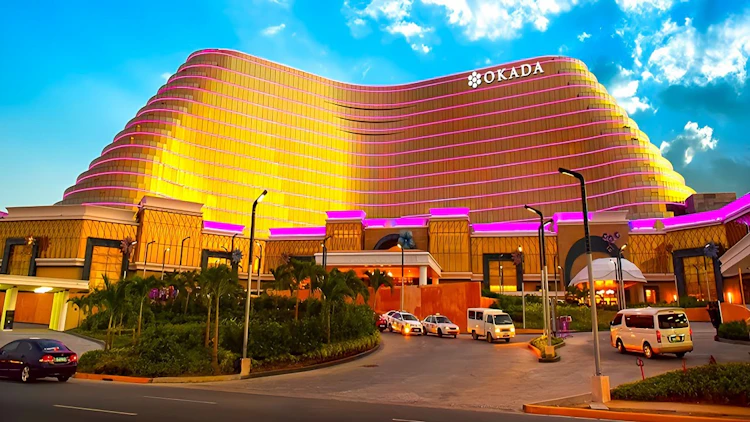
Okada Manila is a luxury integrated resort located in Entertainment City, Parañaque, Metro Manila (New Seaside Drive area). It is commonly cited as opening in December 2016 (often listed as December 30, 2016, with some materials noting December 16, 2016). It’s known for a large casino floor alongside a premium hotel, restaurants, and major entertainment attractions.

Solaire Resort & Casino is located in Entertainment City, Parañaque, Metro Manila, and it opened on March 16, 2013. It’s widely recognized as one of the first major integrated resort casinos in the area, combining extensive gaming with a high-end hotel, dining, and live entertainment.
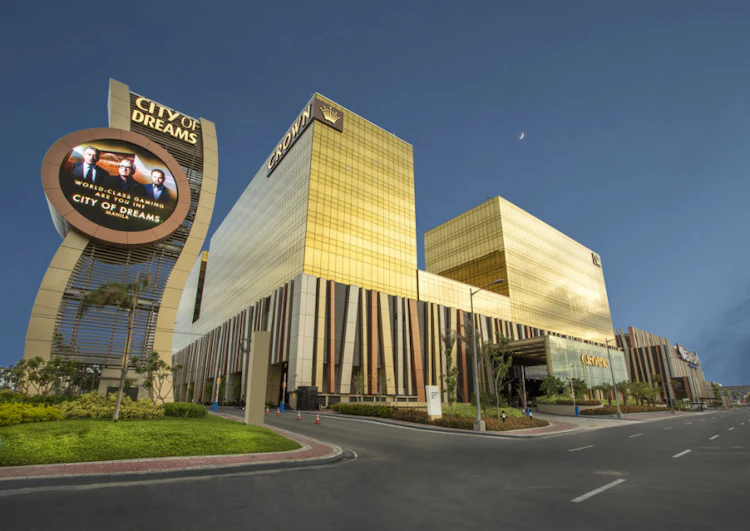
City of Dreams Manila is located in Entertainment City, Parañaque, Metro Manila (Asean Avenue corner Roxas Boulevard). It had a soft opening on December 14, 2014, followed by a grand opening on February 2, 2015. It’s a well-known resort-style casino complex with multiple hotel brands and a wide range of gaming and entertainment offerings.
Most popular betting markets in the Philippines
Different Filipinos gamble on different markets. Among the most popular markets in the Philippines include slots, sabong, esports, basketball and casino games.
Slots
Slots are the #1 casino category for most Filipino players, mainly because they’re easy to play and come in thousands of themes and volatility levels.
In the Philippines, JILI is one of the most talked-about providers in the “Asian-style slots” category, alongside other popular studios like Pragmatic Play and PG Soft, depending on the casino.
Live casino
Live dealer games remain a top casino segment because players get the “real table” feel while still playing online. The most popular live titles are usually blackjack, roulette, and baccarat, since they’re simple to learn and feel more interactive than standard RNG games.
Basketball betting
Basketball is one of the biggest sports betting markets in the Philippines, and the NBA is consistently a major driver of betting interest, alongside local/regional basketball coverage depending on the sportsbook.
Esports betting
Esports betting is growing fast in the Philippines, especially around major titles and regional leagues. The biggest global games usually include Dota 2, CS2, and League of Legends, while Mobile Legends: Bang Bang (MLBB) is especially relevant locally because of MPL Philippines.
Sabong (cockfighting) and “virtual” sabong
Sabong (cockfighting) has long been a major betting culture in the Philippines and remains popular in land-based settings and regulated formats. However, e-sabong / online sabong has faced major legal and enforcement action, including continued reporting around suspension and government scrutiny, so it’s important for players to verify what is legal and available through official, regulated channels only.
Want to gamble online in the Philippines?
If you are a Filipino looking for an online gambling site, see our list below for the top-rated gambling sites in the Philippines:








 8
8 





Future of gambling in the Philippines
The Philippine gambling market is moving into a more regulated phase focused on centralisation, stricter enforcement, and stronger compliance. A key turning point was Executive Order No. 74 (signed November 5, 2024), which ordered the shutdown of POGO/offshore gaming operations by the end of 2024 and pushed the industry away from offshore-heavy models.
At the same time, the Philippines’ removal from the FATF “grey list” (February 2025) improved the country’s credibility on AML/CFT enforcement and supported a more trusted operating environment.
Going forward, growth is most likely to come from regulated, domestic-facing demand, with tighter oversight around licensing, payments, marketing, and responsible gambling. Overall, the market is shifting from “growth at all costs” to growth with rules, rewarding brands that localise well, operate transparently, and build long-term player trust.
Gambling FAQ